The Infectious Disease Dynamics group at the Charité Centre for Global Health investigates disease burden, transmission patterns and ecological interactions to design effective control strategies.
Understanding the underlying ecological and transmission dynamics is often key to the design of effective control strategies for infectious disease. The IDD lab at Charité Center for Global Health connects an interdisciplinary group of experts in mathematical modelling, statistics, clinical trials, and policy.
We work in close connection with other centres and international collaborators to increase our understanding of disease dynamics and thereby disease prevention. We host the secretariat to Charite's IDD theme, the Berlin Infectious Disease Dynamics Expertise network (B-IDDE) and the Pneumococcal and Pneumonia INterest Group (PING). We are also an associated member of the Modeling Network for Severe Infectious Diseases (MONID) and run an annual short course: 'Infectious Disease DynamicsIntroduction to Data Analytics and Mathematical Modelling'.
Evaluating optimal immunisation strategies for RSV, Pneumococci, Polio, Chickungunya and many others.
Exploring advanced analytical methods and LLMs for enhanced outbreak response.
Evaluating changing disease risk and prevention strategies due to climate change and / or pathogen interaction.
Group lead
Research Associate
Research Associate
Research Associate
PhD Student
PhD Student
PhD Student
PhD Student
PhD Student
PhD Student
PhD Student
PhD Student
PhD Student
Project Management
Guest Researcher
Guest Researcher
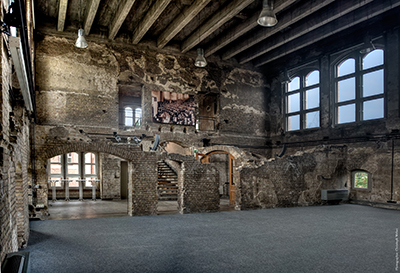
Registration is now open for our in-person dialogue between academic researchers, global health specialists and vaccine manufacturers on 12 November 2026 at the Hörsaalruine, Charité Campus Mitte, Berlin. Places are limited and attendance is subject to CCGH approval.
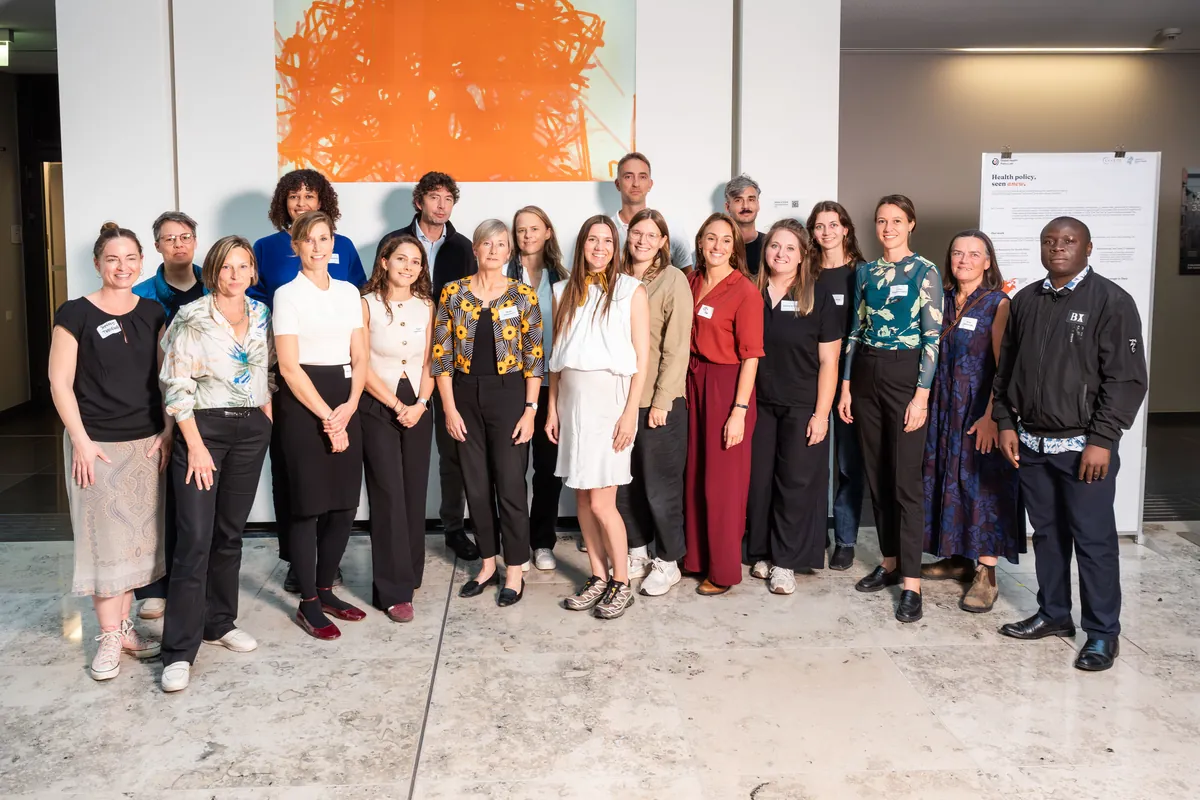
The IDD group joined colleagues from across the Charité Center for Global Health at this year's CCGH Day, including the PhD students of the Global Health programme. It was a day full of interesting discussions about our research, ongoing collaborations and new ideas across the Centre.
The IDD lab is now an associated member of the Modeling Network for Severe Infectious Diseases (MONID), strengthening our connection to Germany's infectious disease modelling community.
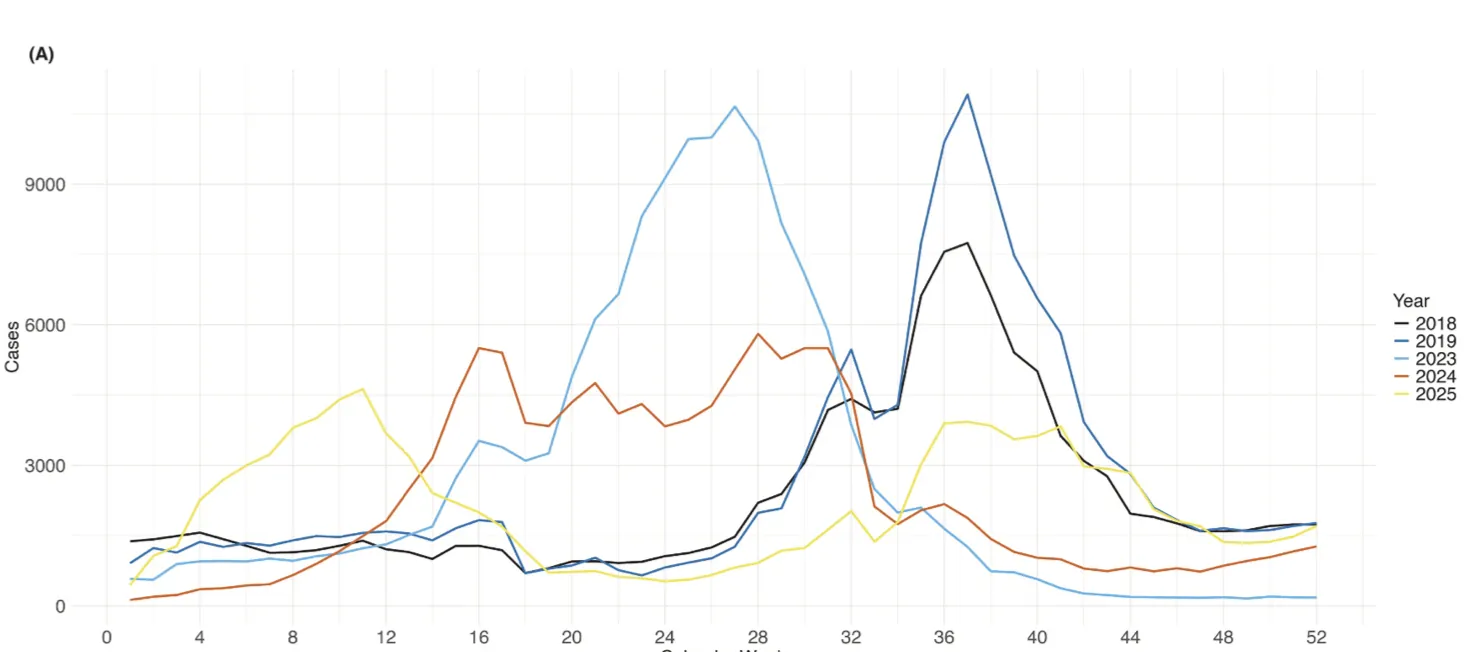
Ayaka Monoi, Matej Kriznar, Stefan Flasche, and colleagues publish a modelling study in Vaccine evaluating the potential impacts of seasonal versus year-round infant immunisation to prevent RSV hospitalisations in Japan.
The Charité Center for Global Health features researchers from our team in their “Researchers Spotlight” series, offering insights into their work, motivations, and daily research life.
The IDD lab hosted a joint strategic scientific networking event with the Helmholtz Centre for Infection Research (HZI) Braunschweig to foster research collaboration.
Dr Billy J Quilty and colleagues publish a long-term follow-up study of a cluster-randomised controlled trial in The Lancet Infectious Diseases, evaluating the sustained and indirect effects of PCV10 reduced-dose schedules.
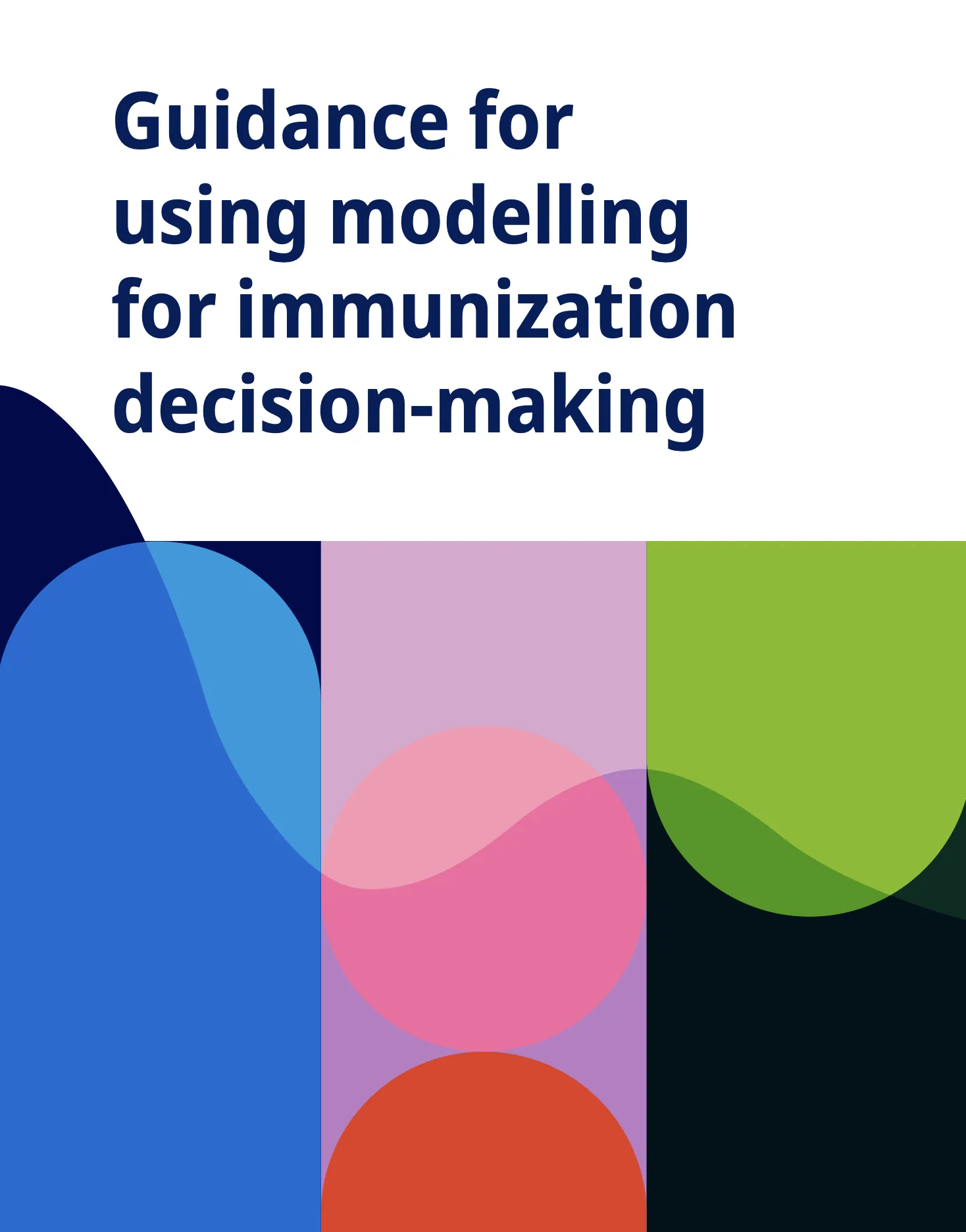
A WHO report providing guidance on how mathematical modelling can inform immunization policy and decision-making processes, including inputs from the IDD lab.
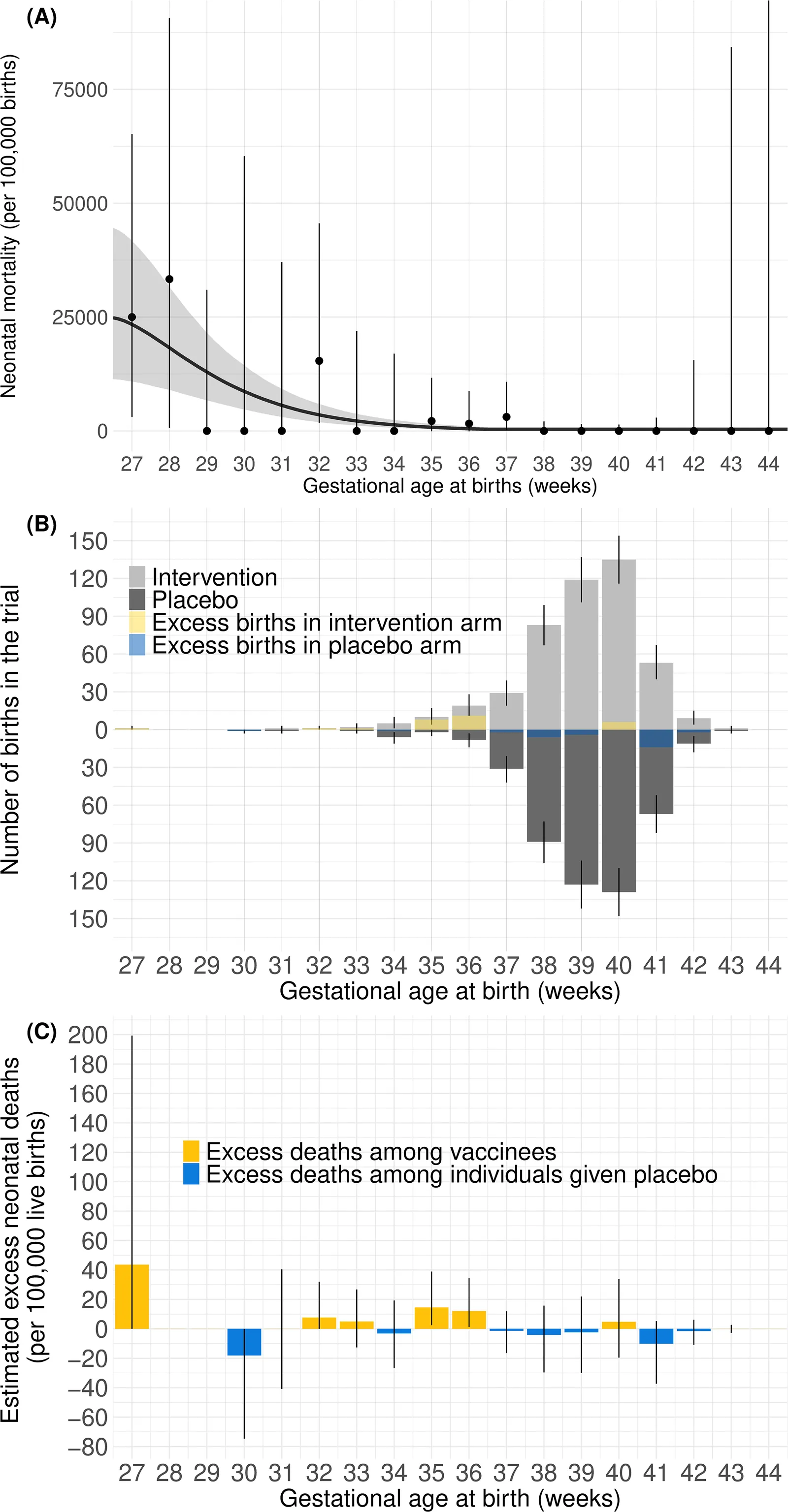
Ayaka Monoi and Stefan Flasche publish a modelling study in PLoS Medicine evaluating the benefits and risks of maternal RSV vaccination on mortality.
David Hodgson's study on optimal seasonal timing for infant immunisation to prevent RSV hospitalisations in Japan is now available as a preprint.
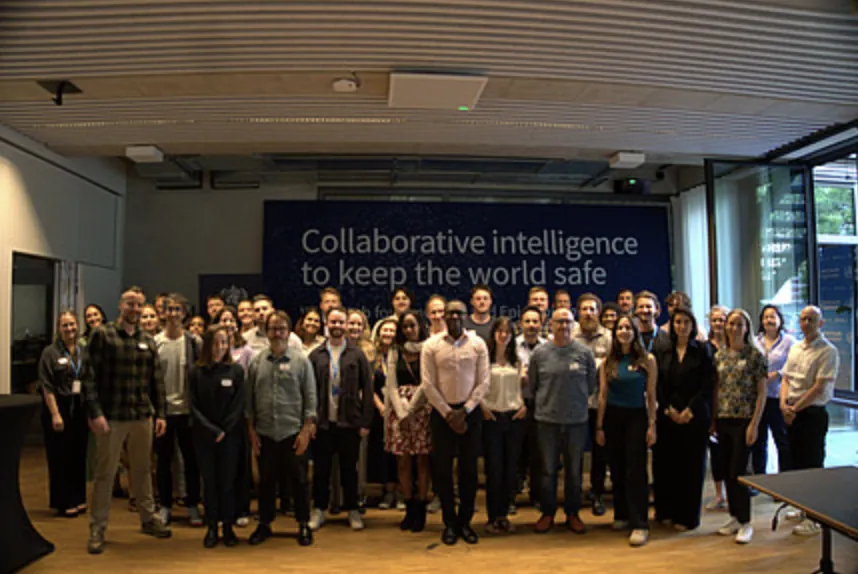
In June 2025 the Charité Center for Global Health and the London School of Hygiene and Tropical Medicine (LSHTM) co-hosted the Humanitarian Modelling Dialogue (HUMOD) Workshop in Berlin at the WHO Hub for Pandemic and Epidemic Intelligence —a two-day exchange dedicated to strengthening the link between modelling and humanitarian health decision-making.
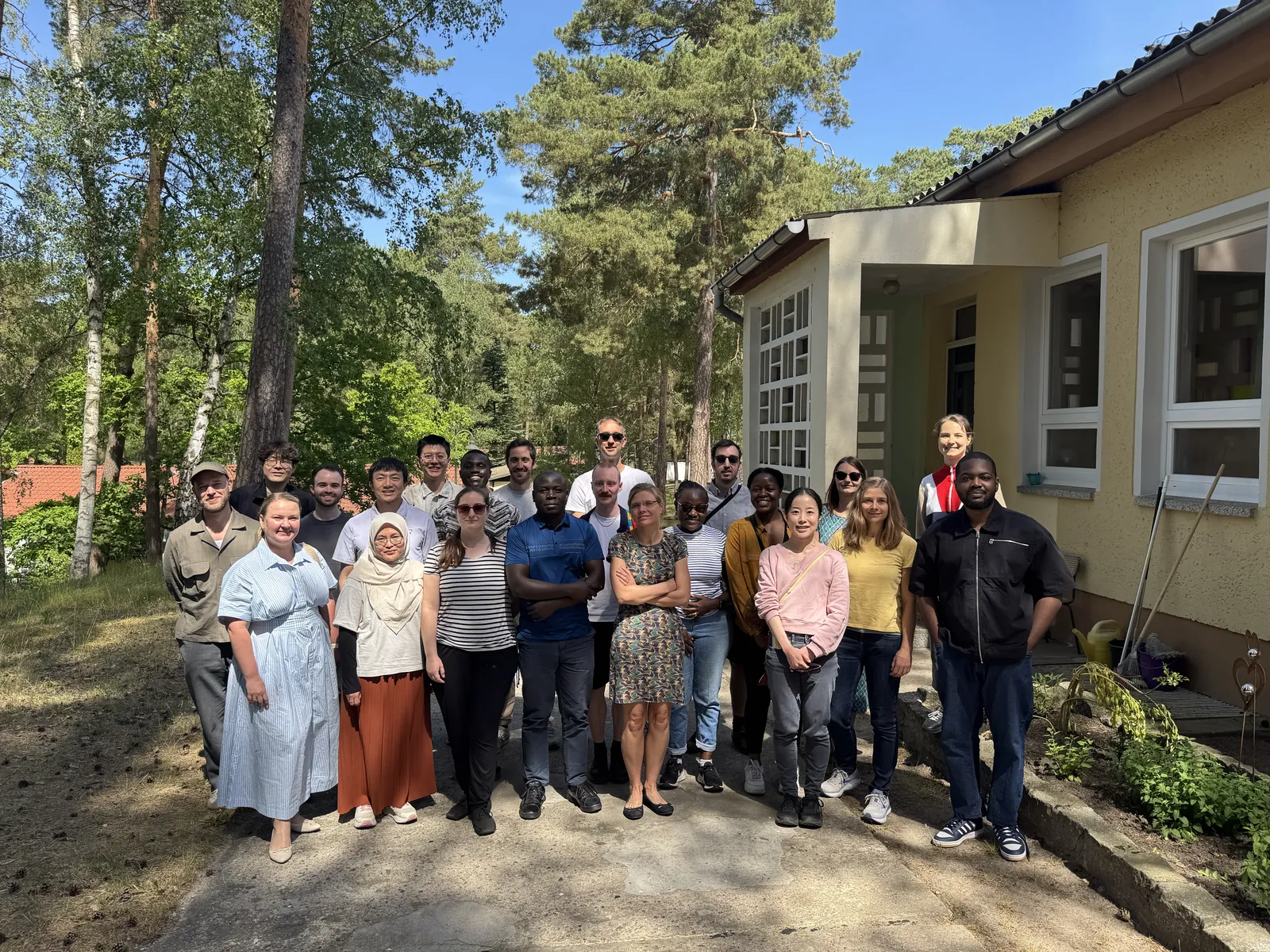
The IDD team gathered for an engaging and productive retreat, fostering collaboration and planning for future research initiatives.
Highlighting our key international partners.